Words: 1056 | Estimated Reading Time: 6 minutes | Views: 71
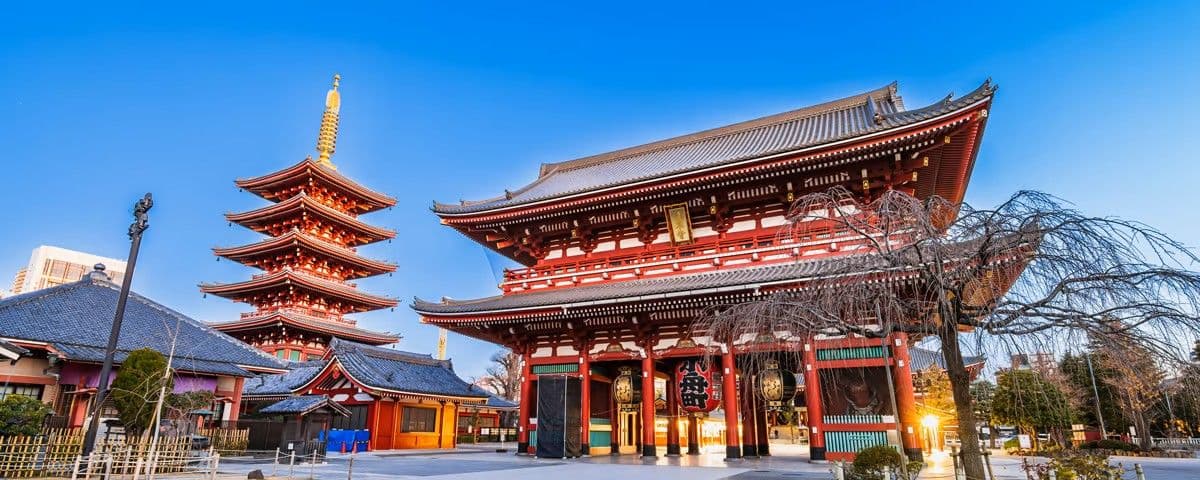
Senso-ji Temple (浅草寺), located in Taito, Tokyo, is one of Japan’s oldest and most renowned Buddhist temples. As a cultural icon and tourism landmark of Tokyo, it welcomes tens of millions of visitors each year for worship, sightseeing, and traditional cultural experiences. The giant lantern at Kaminarimon (雷門) Gate has become a staple photo spot for inbound visitors. As Japan’s tourism industry enters full recovery, lodging demand in the Asakusa area has surged, and the ryokan and short-term rental market is booming. Prices for properties with a Hotel Business Act license continue to hit new highs.
1. Japan’s tourism rebound and overheating in Asakusa
With the global recovery in travel demand, Japan has re-emerged as a leading destination. In 2024, inbound visitors to Japan reached a record 36.86 million, about 16% above the 2019 pre-COVID level (31.9 million). Tokyo, as the capital and primary gateway, attracts a large share of travelers, and Senso-ji remains a must-visit landmark within that flow.
The surge in travelers has lifted lodging demand in Asakusa. In 2024, average daily rate (ADR) for hotels in Tokyo exceeded ¥26,000, more than 50% above pre-pandemic levels. In popular tourist areas like Asakusa, hotel and short-term rental occupancy continues to rise, and peak periods often see sellouts that make rooms hard to secure.
2. Lodging demand is propelling the prosperity of the short-term rental market
Rapidly rising demand has outpaced traditional hotel supply, positioning short-term rentals and small-scale ryokan as compelling options for travelers. Properties in Asakusa benefit from locational advantages and strong guest preference.
Against the backdrop of sustained growth in lodging demand and ADR, prices for properties with a Hotel Business Act license in Asakusa have been appreciating at a pace comparable to demand. Over the past two years, prices have trended steadily upward; in some cases, despite aging buildings or obsolete layouts, list prices have reached twice their pre-COVID levels based largely on the “Hotel Business Act license” plus an “Asakusa xx minutes” proximity tag. While this reflects strong market expectations for short-stay, high-traffic, high-yield locations, investors should also note the risk that exuberant pricing can drift away from intrinsic asset value.
3. Can Asakusa lodging assets priced beyond fundamentals be sustained by hype alone?
First, the surge in pricing for licensed ryokan assets is often underwritten by a revenue model that assumes “high occupancy and high ADR.” That assumption is not guaranteed to hold over the long term. Although inbound reached a record in 2024, tourism is sensitive to global growth, currencies, and geopolitics. If the inbound boom pauses and occupancy or ADR declines, payback periods can lengthen rapidly. Assets bought at elevated prices and reliant on strong operating cash flows can see vulnerabilities surface quickly.
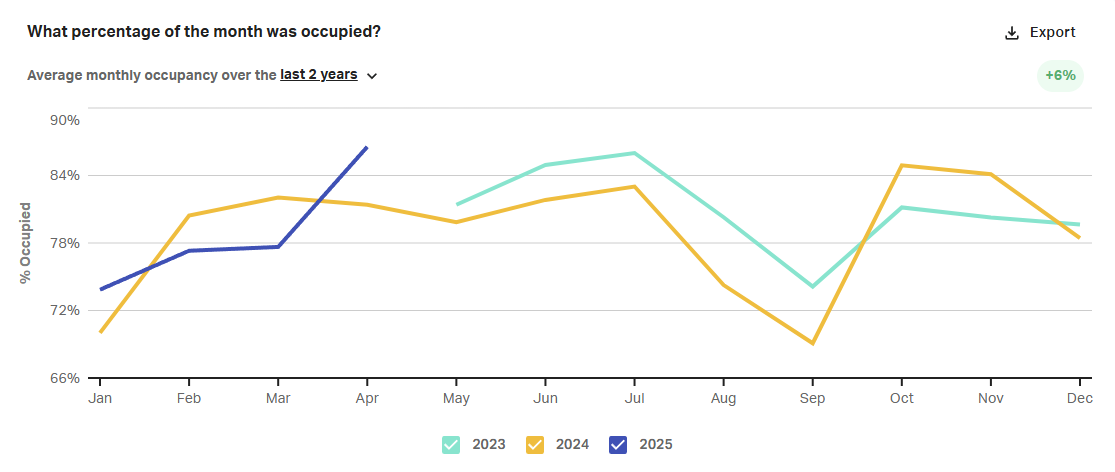
Second, from a returns perspective, listings around Asakusa frequently market “10%+ per annum,” which appears attractive at first glance. Yet once in live operation, net take-home often falls well short of projections.
Platform fees are unavoidable costs. Major short-stay platforms such as Airbnb, Booking.com, and Agoda generally charge around 15%, deducted directly from host revenue.
Cleaning-related costs: With persistent labor shortages in Japan’s service sector, securing and retaining cleaning/operations staff is challenging. Even for a small, single-building ryokan, turnover cleaning/disinfection, linen changes, and trash removal are often outsourced. For a standard double room in Tokyo priced around ¥15,000–¥30,000 per night and over 20 m², cleaning per turnover typically runs roughly ¥4,000–¥7,000 (varying by room type and service level).
Utilities and consumables: Internet, water and electricity, and daily necessities are baseline fixed expenditures. Costs rise in summer and winter as HVAC and electric water heaters run harder.
Operations management: Guest inquiries, pre-/post-check-in guidance, and incident response are essential. If you use a management company, fees are typically about 20% of revenue.
Taking the above into account, a ryokan asset advertised at “10% per annum” can translate into a net take-home yield around 5%, or even lower. In a market where acquisition prices remain elevated, investors should rigorously model whether that level of return is adequate, the payback period acceptable, and the risks sufficiently covered.
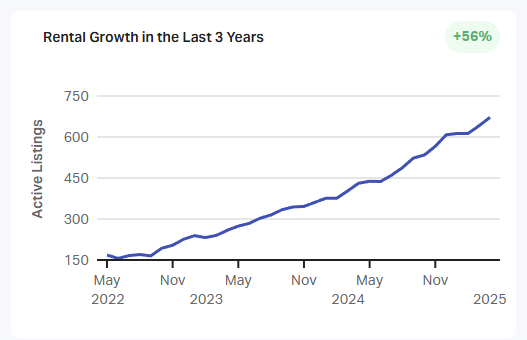
Market-wide, competition among lodging products around Asakusa is intensifying. Institutional investors are actively assembling new inventory, and mid- to large-scale professional operators continue to enter, fueling frequent price competition. Without differentiated product design, high-quality operations, and a stable on-the-ground team, location alone will increasingly struggle to drive bookings. As platforms like Airbnb, TripAdvisor, and Google Reviews refine their rating systems, scores feed directly into algorithmic visibility and conversion—and ultimately into booking rates and revenue.
4. The safety net in real estate investing: the asset’s intrinsic value
For income-producing real estate—whether retail, lodging, or office—you cannot ignore the underlying asset value. When assessing operations, always evaluate whether the property can flex to “general residential or commercial use” during tourism off-seasons or if lodging operations become unviable. This flexibility is a key indicator of long-term fit.
More broadly, long-term valuation should not be fixated solely on the lodging P&L; it must assume the feasibility of a “Plan B.” A seasoned investor will ask before acquisition: “If this building becomes unsuitable as a ryokan in the future, what can I do next?”
On this point, the asset’s fundamentals and local rent levels are critical. Properties with flexible use cases can pivot smoothly to rental housing, offices, galleries, cafes, and more, creating a basic asset-side safety net if short-stay revenue underperforms. Conversely, assets heavily customized for lodging—irregular layouts, poor light, excessively old construction—can lose their exit options if lodging demand falters, becoming a low-liquidity “asset trap.”
Therefore, precisely when ryokan asset prices are rising and the market remains heated, investors should think calmly. Is the target’s value propped up by temporary sector enthusiasm, or grounded in fundamentals that hold across cycles? This is the core question that determines your margin of safety.
5. Conclusion
The intense popularity of Asakusa lodging assets reflects the vigor and potential of Japan’s tourism recovery. However, if prices continue to diverge from practical utility and actual operating income, bubble risk becomes unavoidable. Investors should avoid blindly chasing highs, return to fundamentals, and evaluate operating capabilities, net returns, and downside protections from multiple angles. Short-term euphoria may be appealing, but assets that generate stable returns over the long run are the ones truly worth holding.
Data sources:
AirDNA report on submarket performance details: Taito
Urbalytics area analysis: Asakusa, type: multi-unit buildings
Copyright: This article is original content by the author. Please do not reproduce, copy, or quote without permission. For usage requests, please contact the author or this site.