Words: 1450 | Estimated Reading Time: 8 minutes | Views: 86
Japan Post’s shift to converting post office sites nationwide into development assets is reshaping pricing across multiple super-prime locations in Tokyo.
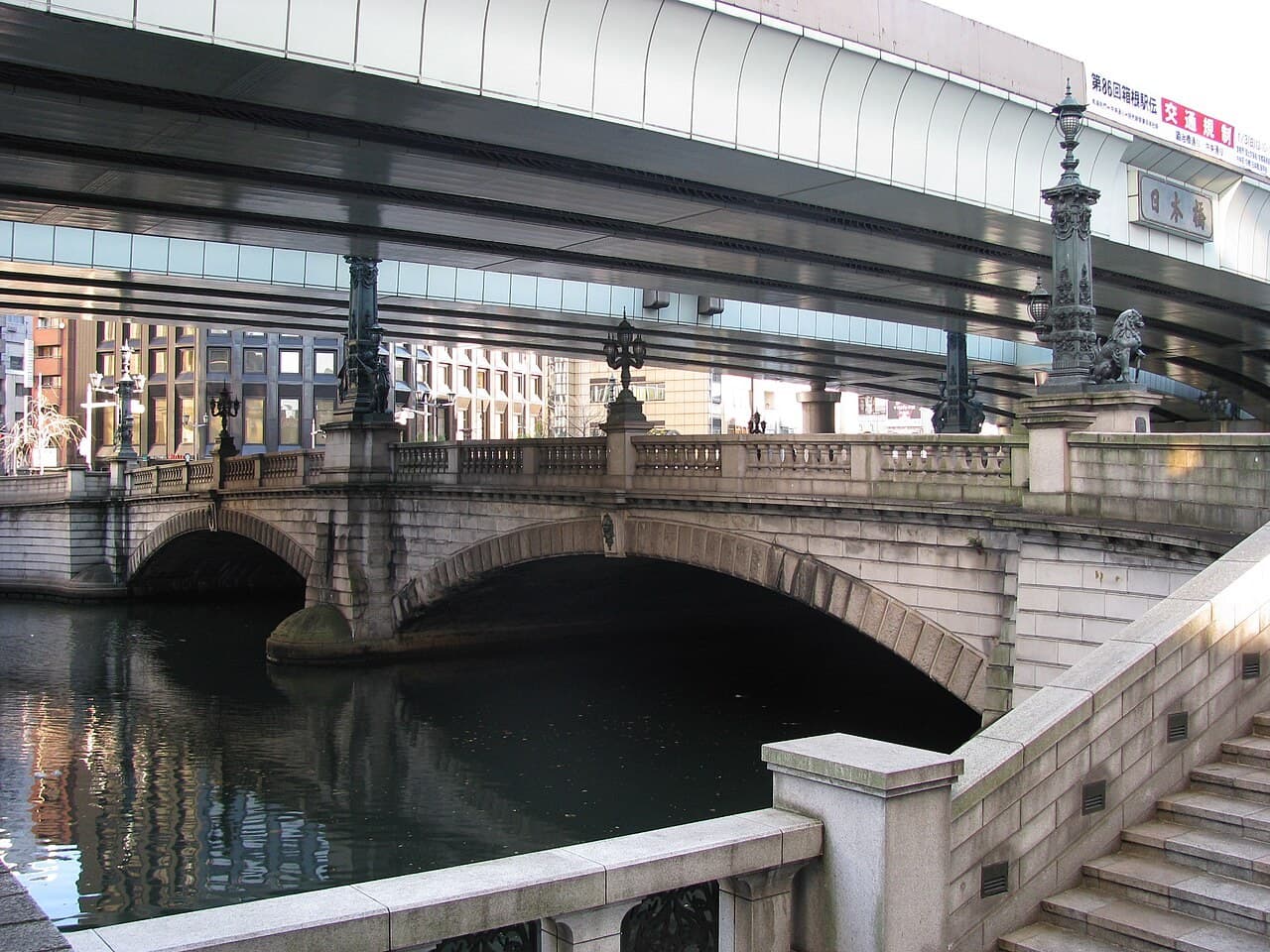
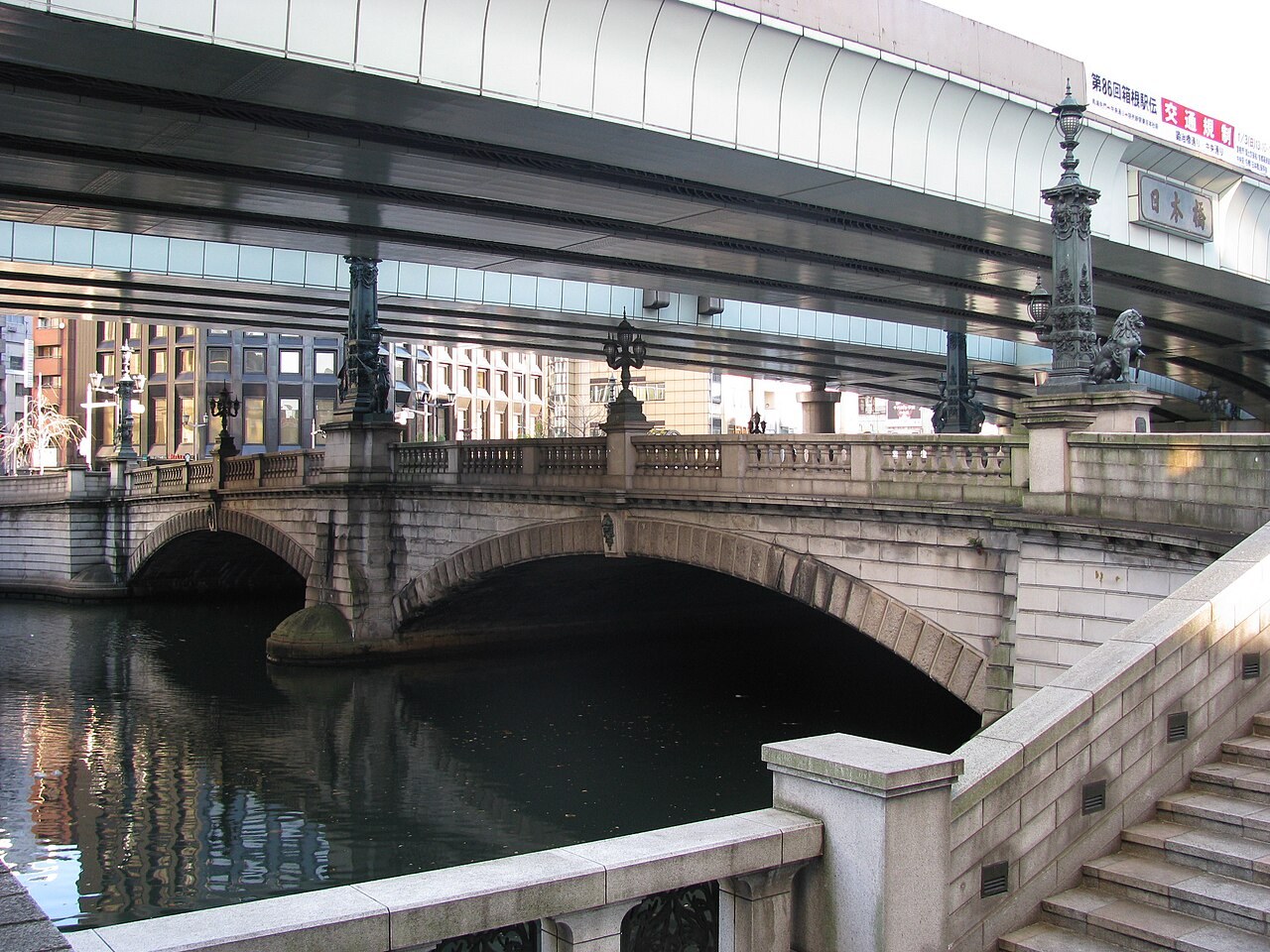
Walking along Showa-dori (昭和通り) in Chuo ward, Tokyo, this July, you would notice the low-rise section of the former seven-story Nihonbashi Post Office (日本橋) building wrapped entirely in construction hoarding. Even the wall plaque reading “Birthplace of the Postal Service” and the bust of Hisoka Maejima (前島密), regarded as the father of modern Japanese postal services, have disappeared behind the barriers.
For most residents, it is just the removal of an old building. For the real estate industry, however, this approximately 2,900 m² site is a rare opportunity in the urban core—roughly seven basketball courts—fronting Showa-dori, a north–south arterial through the city center.
I. A ¥508.8 billion redevelopment radiating from one former post office
The site is not being sold on a standalone basis; it is folded into the Nihonbashi 1-chome East District Type 1 Urban Redevelopment Project (日本橋一丁目東地区第一種市街地再開発事業), with a total project cost of approximately ¥508.8 billion. Plans call for a 40-floor, 203-meter supertall office in Block A and a 50-plus-floor, 210-meter condominium tower in Block B.
Japan Post is participating in Block A and plans to acquire the office portion upon completion in fiscal 2034, holding it on balance sheet for lease operations. In other words, what it gives up are land and time; what it receives in return is a long-duration rent cash flow from an A-class CBD office a decade from now.
For investors underwriting an exit within a few years, that timeline may feel too long. But that is precisely the distinction between major developers and individual investors: developers earn “returns on time,” not “price differentials.”
II. The ¥1.4 trillion book value signals a trump card competitors lack
The focus is not this single scheme but Japan Post’s land inventory. As of end-March 2026, the combined book value of land held nationwide is about ¥1.4 trillion. Roughly 60% is for operating use, 30% under rental operations, and 10% earmarked for development or under construction.
These locations are a legacy of the era when railways carried long-distance mail: large post offices with meaningful footprints are almost invariably adjacent to or integrated with major stations in prefectural capitals.
Put differently, the costliest, longest, and riskiest phase of development—site acquisition—is largely unnecessary for the company. The market’s read is straightforward: a clear locational edge and the ability to compress development lead times.
Internal estimates indicate over 200 developable operating-use properties totaling approximately 400,000 m² of land. Of that, only about 190,000 m² are in concrete evaluation. On an area basis, roughly half the pipeline remains untapped.
III. From “hold” to “rotate”: A quasi-public group adopts the developer playbook
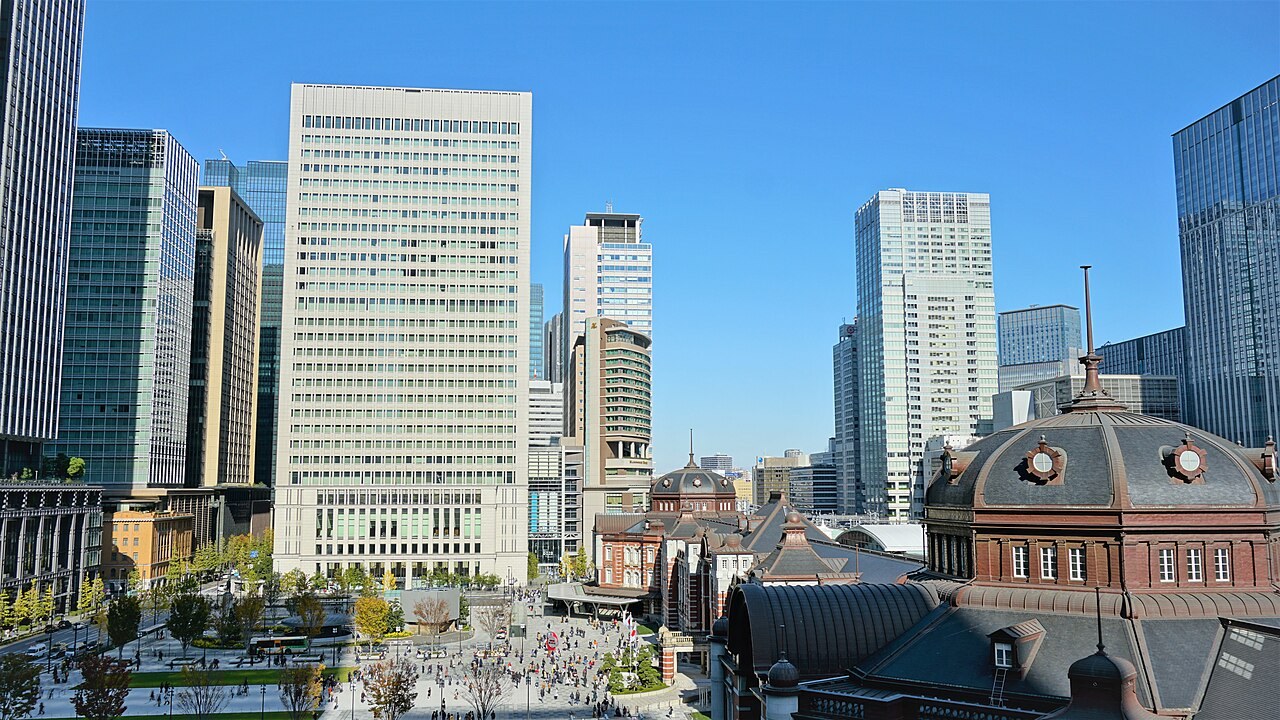
Japan Post’s full-fledged move into real estate began with JP Tower (KITTE Marunouchi), completed in May 2012 on the former Tokyo Central Post Office site facing Tokyo Station. In 2018 it established 100%-owned Japan Post Real Estate (日本郵政不動産), and in the medium-term plan “JP Plan 2028” (JPプラン2028) announced this May, it designated real estate for the first time as a “new earnings pillar.”
Capital allocation underscores the shift. Of roughly ¥260 billion to be invested in real estate during fiscal 2026–2028, ¥180 billion is for the rental business, ¥50 billion for the newly created rotation business, and ¥30 billion for the for-sale condominium business. That ¥260 billion equals 28.8% of total group capex excluding the two financial subsidiaries—second only to postal and logistics.
The highlight is the new “rotation business”: acquire assets externally, enhance value through capex and rent growth, sell, and recycle capital into the next deal. In Japan, the model’s standout exemplar is Hulic (ヒューリック), which vaulted from mid-tier to seventh in the industry.
At a May press conference, President Negishi spoke candidly about the motivation: deep concern over the sustainability of the postal universal service and a decision to pivot capital toward growth areas such as real estate and logistics. In other words, it is asset reallocation prompted by looming losses in the core mail business.
IV. Nihonbashi, Ginza, Yokohama: What the candidate list signals for investors
In addition to the former Nihonbashi office, the development candidates include large urban post offices in Ginza, Yokohama Central, Kyoto Central, and Fukuoka Central. Six former company housing and dormitory sites in Nagoya, Yokohama, and Kyoto are proceeding sequentially as for-sale condominium projects. For investors in Greater Tokyo, the first three Tokyo-area sites warrant priority attention.
We compared them using Urbalytics station catchment data. In the Nihonbashi station catchment, average rent per tsubo (3.3 m²) across the quarters of 2026 was ¥16,700, ¥17,300, and ¥15,800. The Q3 dip mainly reflects changes in sample composition, while Q1 is based on a single sample and should be treated as reference only. Avoid over-interpreting single-quarter noise.
The sharpest divergence is in yields. Whole-building income properties in the Nihonbashi station catchment show an average gross yield of about 4.12%. Ginza averages 3.28% with a 2.68% median, while Yokohama’s median is 6.00% and average 6.08% (80 samples).
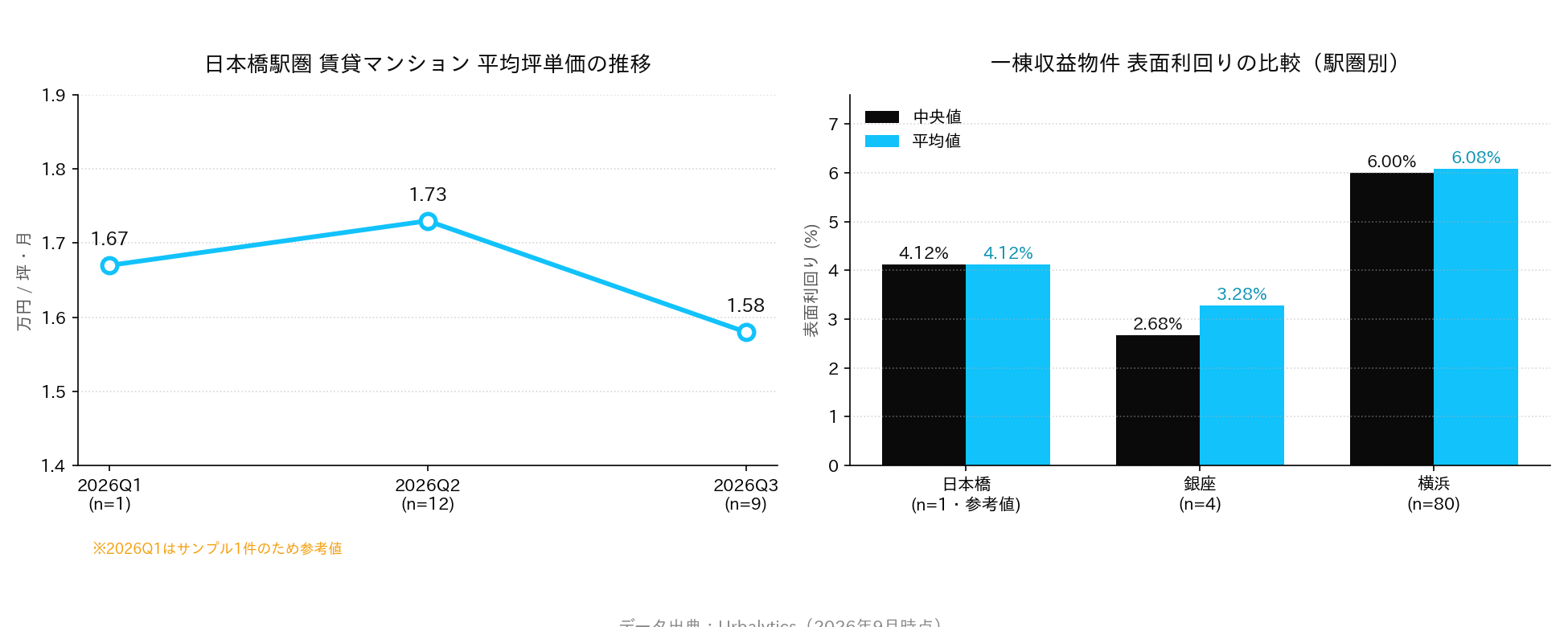
Urbalytics Insight Low yields in prime CBD locations are not because they “don’t pencil.” The market is already pricing embedded redevelopment options. The land Japan Post holds is arguably the purest form of that option. While acquisition cost is effectively zero, comparable sites are priced by the market at yields in the low 2% range. This is the essence of the gap between the ¥1.4 trillion book value and market value.
V. A 2.5% ROA weak spot—and a wager on 2040
Still, converting land into profit and converting profit into return metrics are distinct tasks. For the fiscal year ending March 2026, the real estate segment’s ROA (return on assets) is 2.5%, largely because many held assets are new and carry heavy depreciation. The company aims to lift ROA above 4% early by raising office rents and other measures.
Targets are explicit. During the plan period it seeks segment profit of ¥28 billion, and ultimately over ¥50 billion, aiming to enter the comprehensive developers’ “top 10.” As a reference point, Nippon Steel Kowa Real Estate (日鉄興和不動産) at 10th posted operating revenue of ¥282.2 billion and operating profit of ¥49.7 billion in the fiscal year ending March 2026. Japan Post, with operating profit of ¥23.9 billion in the same year, would need to nearly double.
Industry consensus: the bar is not low. The group has explored shortcuts before; in 2017 it attempted to acquire Nomura Real Estate Holdings (野村不動産ホールディングス) but walked away over price and terms.
Risk flags Two variables warrant sober attention. Structurally rising construction costs and higher interest rates are compressing both development margins and exit valuations. In addition, as Japan Post turns more active in off-balance-sheet land acquisition, it is evolving from a “sleeping landowner” into a capable competitor for core urban land. Expect acquisition difficulty in Greater Tokyo’s core locations to keep rising.
Of course, the opportunity side also needs to be decomposed.
First. Once candidates such as Nihonbashi, Ginza, and Yokohama Central formally start moving, nearby existing assets tend to be repriced ahead of ground-breaking. Front-running opportunities often arise between plan announcement and statutory city-planning approval.
Second. Expansion of the rotation business adds one more steady buyer–seller to the market. While positive for medium-term liquidity in large CBD assets, it also means individual investors will find it harder to secure price advantages on the same playing field.
Conclusion: An “ace” carried from the Meiji era to today
In 1871, on the advice of Hisoka Maejima, the postal service began between Tokyo and Osaka. More than 150 years on, those sites chosen for being “near rail” have become the group’s most valuable assets. This is a classic Japanese-style asset re-rating: the value was always there; it simply did not show up in the profit and loss statement.
For Greater Tokyo investors, it is more constructive to read Japan Post’s candidate list as a “future redevelopment map” than to handicap whether the group will make the “top 10” by 2040. If you want to check rent and yield percentiles for a given station catchment, Urbalytics’ station-area statistics will return answers in minutes.
#JapanPost #NihonbashiRedevelopment #TokyoRedevelopment #ChuoWard #Ginza #Yokohama #CondoTower #WholeBuildingIncomeProperty #GrossYield #Developer #CBDOffice #JapanRealEstateInvestment #GreaterTokyo #Urbalytics #JPPlan2028
References
1. Yomiuri Shimbun Online “From envy-inducing prime sites to office towers, condo towers, and retail: Japan Post is expanding its real estate business” 2026年9月12日 https://www.yomiuri.co.jp/economy/20260910-GYT1T00092/
2. Japan Post Group corporate information (materials related to the medium-term plan “JP Plan 2028”) 2026 https://www.japanpost.jp/
3. Urbalytics platform data (rent statistics and whole-building yield statistics for Nihonbashi, Ginza, and Yokohama, as of September 2026) https://www.urbalytics.jp/
Copyright: This article is original content by the author. Please do not reproduce, copy, or quote without permission. For usage requests, please contact the author or this site.