Words: 1620 | Estimated Reading Time: 9 minutes | Views: 62
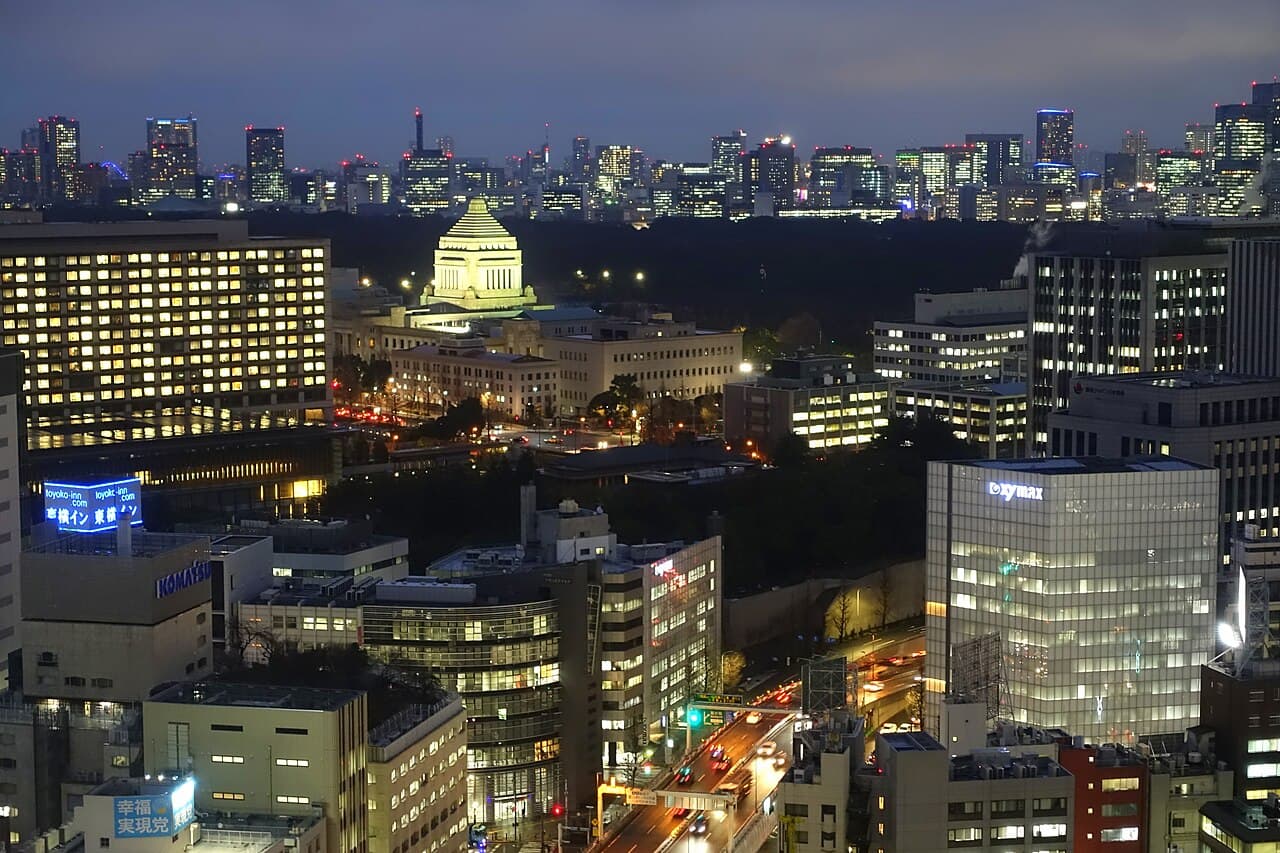
Shinjuku Ward plans to require about 2,000 minpaku in residential zones to exit. From here on, the value of a Tokyo minpaku asset is judged first by ward and use district (用途地域), then by yield.
In recent years, “buy a compact unit in Tokyo for minpaku” became the standard play for cross-border investors: hotel rates were elevated, inbound visitors kept rising, and minpaku income appeared well above long-term leases.
But in September 2026, Shinjuku—the municipality with the most minpaku registrations nationwide—proposed a notably hardline ordinance revision. It doesn’t raise the bar; it would directly move minpaku out of residential districts.
A September 27 Kenbiya architect column put this into a wider frame: the 23 wards’ stance on minpaku is diverging, and what really decides whether an asset can continue operating is no longer just ward ordinances, but also building regulations.
I. Shinjuku’s proposal: residential zones to zero, one‑third cut in commercial zones
As of end‑August 2026, Shinjuku’s Residential Lodging Business (住宅宿泊事業; minpaku) registrations totaled 3,928, the most among all municipalities in Japan. Garbage disposal, late‑night noise, and disputes over use of common areas are the immediate reasons behind the ward’s push to amend the rules.
Under the ward’s stated direction, new minpaku would in principle be prohibited in exclusive residential use districts and educational districts; commercial districts would remain allowed, but the annual cap on operating days would drop from 180 to 120 days, concentrated mainly in spring, summer, and winter breaks.
More importantly, existing operators are also covered. Reports indicate roughly 2,000 minpaku in residential zones may be unable to continue operating—more than half of the ward’s current registrations.
The timeline is largely clear: public comments start in October 2026; a revision bill goes to the ward assembly in February 2027; target enforcement in June 2027. Nikkei reports that existing facilities will get about a two‑year transition, with the same restrictions applying from June 2029.
The ward also left a narrow exception: for owner‑occupied homestays (家主居住型) where the owner co‑resides and can handle complaints immediately, special treatment is under study. The ward mayor also noted litigation risk, emphasizing the aim is to strengthen management and protect the residential environment, not to reject minpaku itself.
II. Within the 23 wards, three approaches
Shinjuku’s move is enabled by national‑level latitude. In July 2026, the Japan Tourism Agency indicated that where residential or educational environments could be harmed, municipalities may, via ordinance, effectively reduce minpaku operating days to zero and may require existing facilities to install noise meters, surveillance cameras, and other management tools.
This means the Residential Lodging Business Act’s original “nationwide 180 days” framework is morphing into “each ward sets its own rules.” The Kenbiya column points to at least three different directions across the 23 wards.
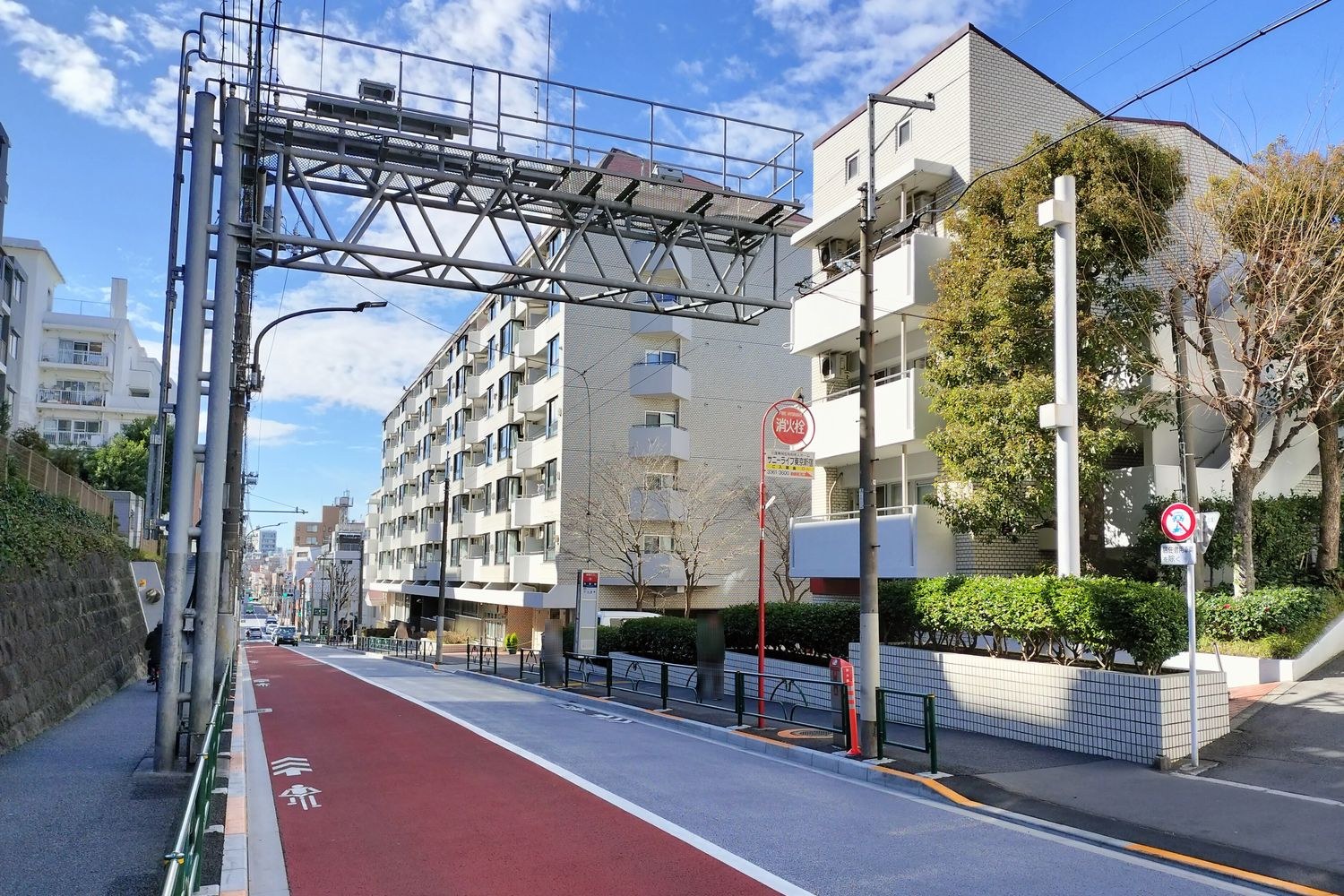
Shinjuku represents the regulation‑tightening model: in wards with concentrated tourism and explicit resident complaints, authorities will prioritize residential function, drawing no‑go areas via use districts.
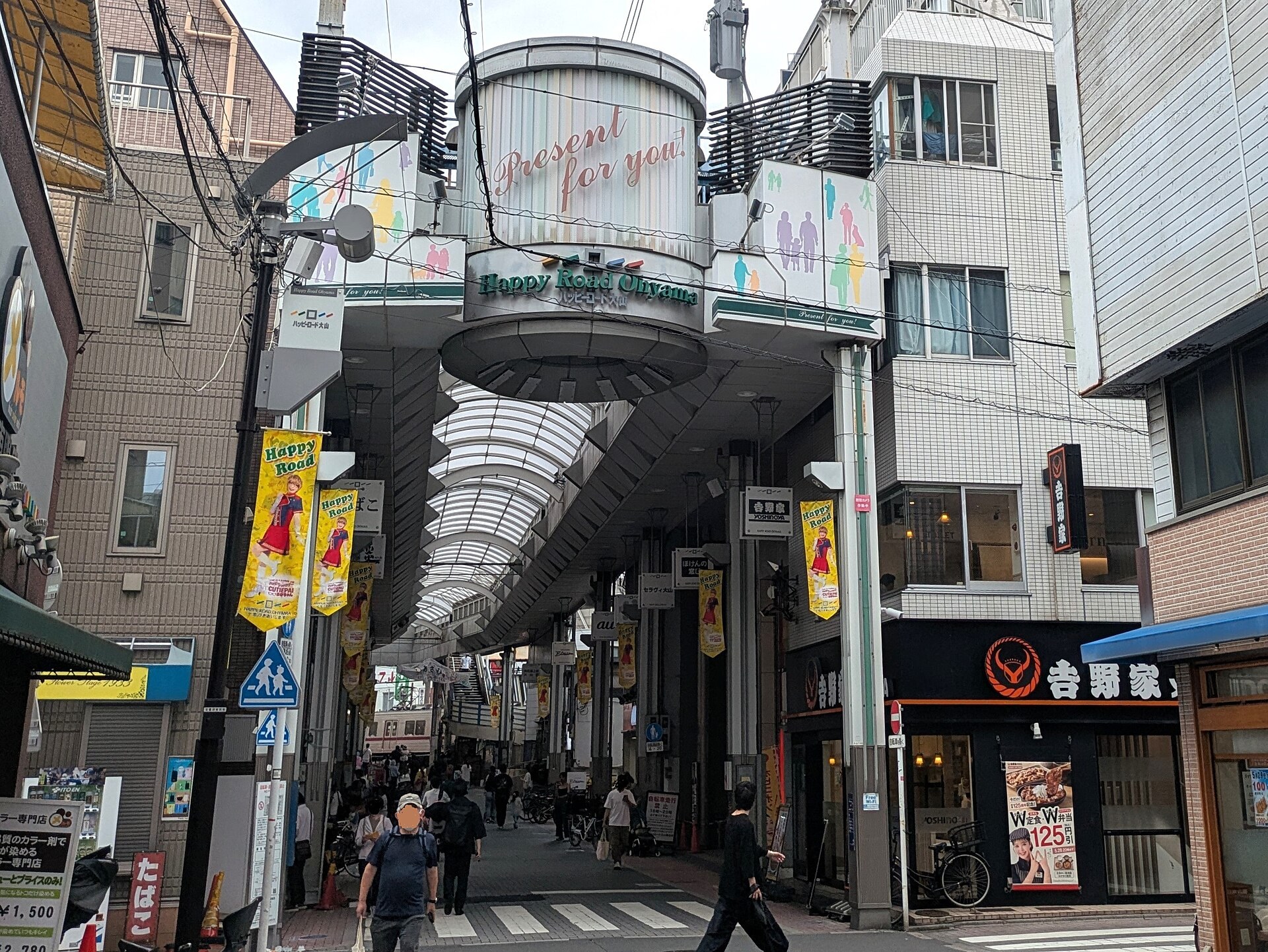
Itabashi Ward is the conditions‑easing model. The ward has long applied supplemental rules to exclusive residential districts, restricting operations from Sunday noon to Friday noon; but owner‑occupied operators and others who can respond to complaints immediately are exempt from this restriction. In other words, Itabashi regulates “who manages,” not only “where it operates.”
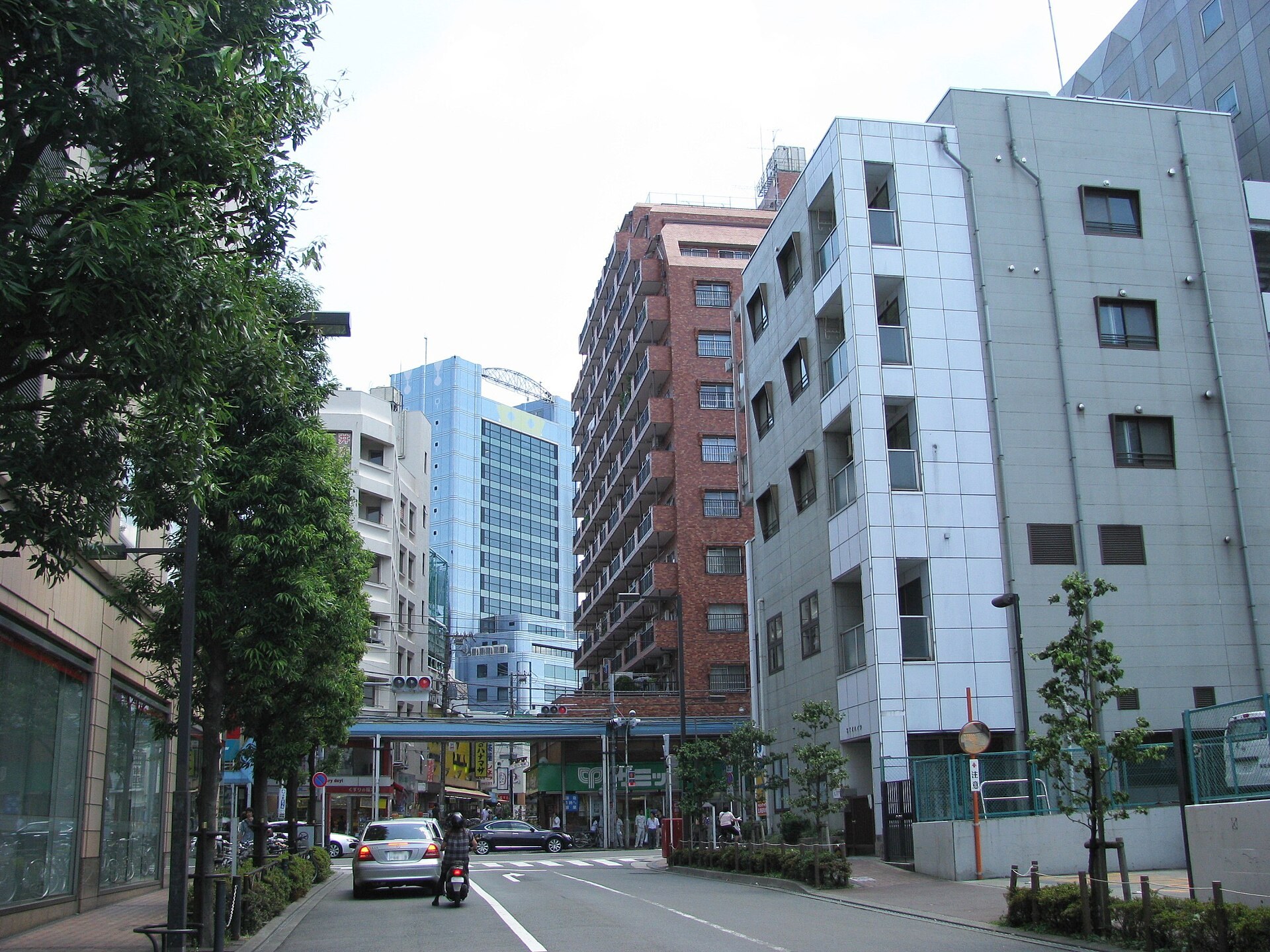
Setagaya Ward takes a third path: it has set up a council to review the Hotel Business Act (旅館業法) and the Residential Lodging Business Act together; a draft ordinance revision is still under discussion, oriented toward community coexistence.
Viewed together, the conclusion is straightforward: within Tokyo’s 23 wards, whether an asset can operate as minpaku—and for how many days—now depends on which ward and which use district (用途地域) it sits in.
III. The real hurdle is building law: the May 28 notice
Many investors’ first reaction is: if the Residential Lodging Business is constrained, switch to a Hotel Business Act license and operate a simple lodging (簡易宿所) year‑round. That path exists, but the bar was raised in May 2026.
On May 28, the Ministry of Health, Labour and Welfare and the Ministry of Land, Infrastructure, Transport and Tourism issued a joint notice requiring local health departments, when issuing Hotel Business Act permits, to thoroughly confirm compliance with the Building Standards Act (建築基準法). If a detached house or apartment building is converted to lodging use and the total area of the change of use exceeds 200 square meters, a confirmation application (確認申請) is required.
The most misread point has been the under‑200 square meter case. While the confirmation application can be exempted, the obligation to comply with the Building Standards Act has never been waived. The notice states clearly: even under 200 square meters, you must submit a compliance opinion from a licensed architect.
For investors buying second‑hand detached homes to run minpaku, this is a cost that was often overlooked. Egress routes, emergency lighting, stair widths, fire safety equipment, road‑frontage requirements, and unpermitted additions—any nonconformity requires remediation; older properties lacking a completion inspection certificate (検査済証) may not be able to obtain the opinion at all.
IV. Break‑even under a 120‑day cap: how Urbalytics data reads
The impact of cutting the cap from 180 to 120 days is not linear. Using Urbalytics platform rental listing data for a rough cut: around Shin‑Ōkubo Station, average asking rent for apartments is about JPY 138,600 per month, with an average floor area of roughly 30.7 square meters—about JPY 1.66 million per year on a long‑term lease.
Assuming cleaning, platform commissions, property management, and other costs total 45% of revenue, to match the net income of a long‑term lease you would need roughly JPY 16,800 per night under a 180‑day cap; with a 120‑day cap, the hurdle rises to about JPY 25,200. And that assumes every allowed night is booked.
In other words, for the same unit, simply shortening the cap by one‑third lifts the break‑even purchase price by about 50%. For assets priced on “minpaku income far above long‑term rent,” once that line is pushed higher, the numbers may stop working.
On the sales side, Urbalytics one‑building investment listing data show median listing yields of 4.10% (n=49) around Shin‑Ōkubo, 4.50% (n=81) around Takadanobaba, 4.11% (n=135) around Sangenjaya, and 5.21% (n=97) around Ōyama in Itabashi Ward.
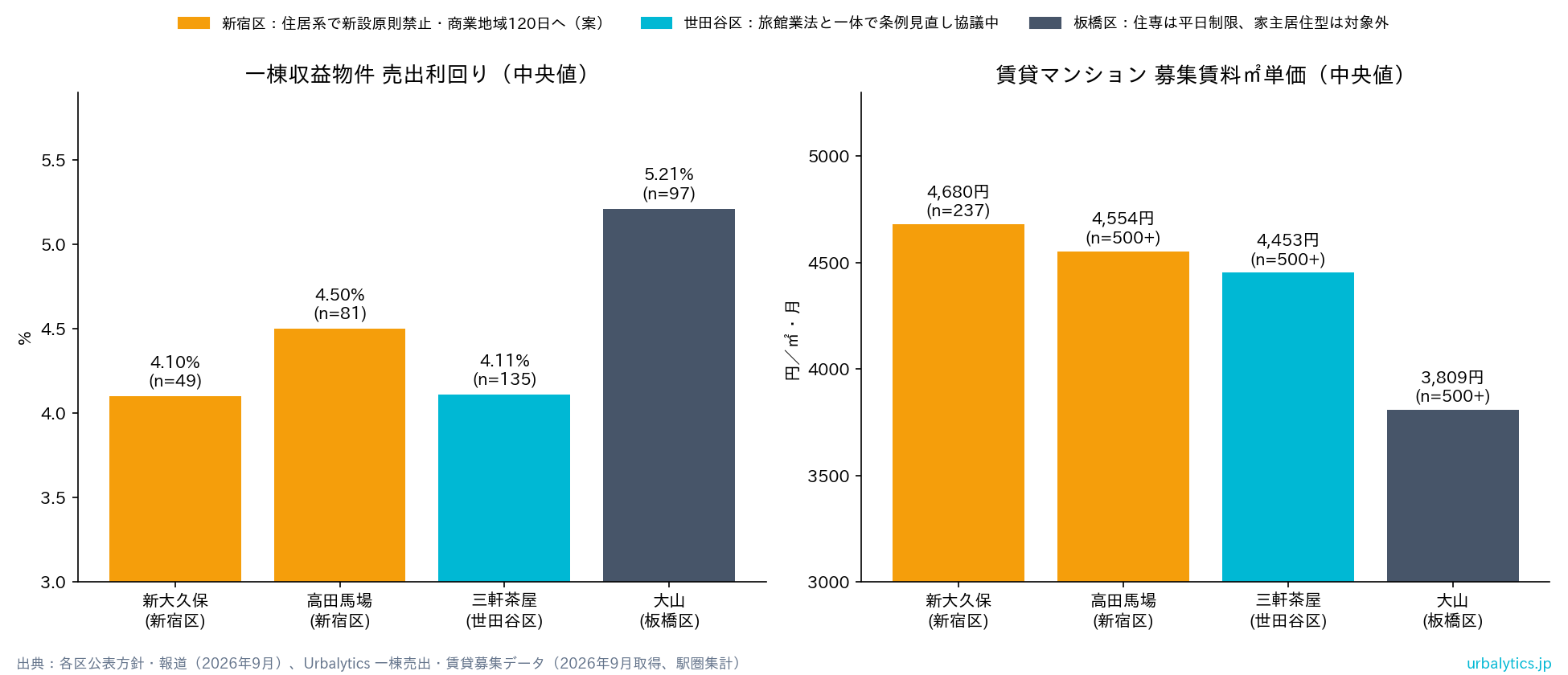
Urbalytics Insight Shin‑Ōkubo’s median rent per square meter of JPY 4,680/sq m is the highest among the four, yet one‑building listing yields are only 4.10%, indicating that pricing already embeds a mixed‑use location premium; after the exit of residential‑zone minpaku, that premium needs to be re‑tested.
Note: these listing samples are mainly small‑to‑mid‑scale one‑building assets and include properties in commercial zones; they cannot be taken as a direct “minpaku premium” and are better used directionally. You can view Shinjuku Ward’s rental apartment rent distribution in Urbalytics’ Shinjuku Ward Rental Apartment Market Report.
By contrast, Itabashi Ward’s yields are visibly higher, with rent per square meter around JPY 3,809. For investors willing to live in the building and operate as owner‑occupied, the price bands in the Itabashi Ward One‑Building Investment Market Report may warrant closer attention than Shinjuku.
V. How investors should respond
International precedent suggests this tightening may not be short‑lived. Barcelona plans to let roughly 10,000 tourist‑housing permits lapse by November 2028; after New York implemented a short‑term rental registration regime in 2023, active listings fell from about 22,000 to around 2,000.
Tokyo will not copy these cities wholesale, but the direction is similar: in housing‑constrained, rent‑inflation cities, minpaku is increasingly managed as part of housing policy. For investors already holding or considering acquisition, three checks are worth making first:
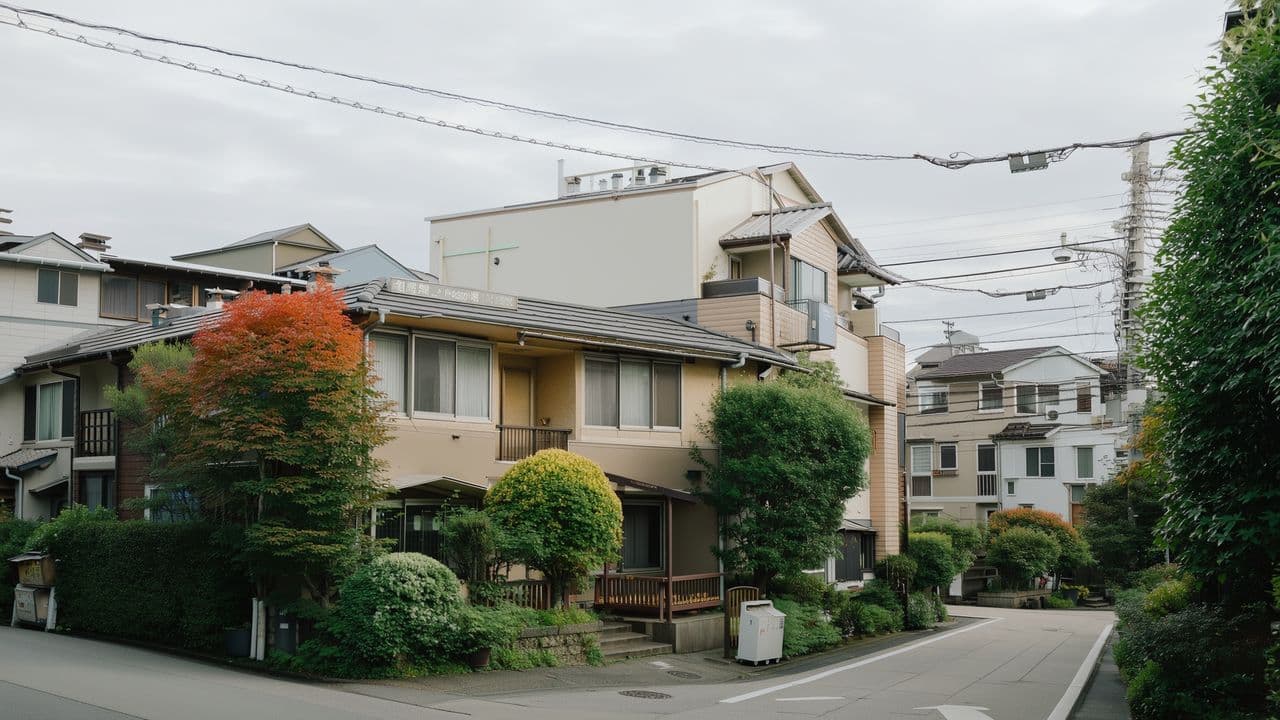
First, check the use district (用途地域) and the ward’s ordinance before you run the yield. Two sides of the same street may fall into a commercial district versus an exclusive residential district—with entirely different outcomes.
Second, confirm whether you can switch operating models. If the Residential Lodging Business is constrained, the ability to pivot to a Hotel Business Act permit depends on area, building compliance, and the completion inspection certificate; ideally commission a preliminary compliance screen by a licensed architect before purchase.
Third, prepare your fallback. If minpaku doesn’t work, can you revert to conventional long‑term rental, monthly serviced apartment, or office use? Will the post‑switch rent support your basis? That is the true floor for this asset type.
Risk warning Shinjuku’s proposal remains subject to public comments and ward assembly deliberation; details may change. But if other wards follow, residential‑zone assets priced on minpaku income may face a double discount in valuation and liquidity.
Rather than “the end of minpaku,” Shinjuku’s proposal is a reclassification: assets that can continue under evolving rules—or convert back smoothly to residential—will retain value; prices supported only by 180‑day minpaku income should be re‑tested.
Before buying, check the ward first, then building compliance, and only then the yield. To compare rent and yield distributions across wards, start with Urbalytics’ area pages such as the Setagaya Ward One‑Building Investment Market Report.
#ShinjukuMinpaku #TokyoMinpaku #ResidentialLodgingBusiness #MinpakuOrdinance #HotelBusinessPermit #SimpleLodging #BuildingStandardsAct #ChangeOfUse #Itabashi #Setagaya #Tokyo23Wards #JapanRealEstateInvestment #Yield #JapanMinpakuInvestment #Urbalytics
References
- 健美家「民泊は本当に追い風か?規制と緩和の二極化すすむ」(安井慎治), 2026, https://www.kenbiya.com/ar/ns/for_rent/minpaku/10546.html
- 東京報道新聞「新宿区、住宅地・学校周辺の民泊を原則禁止へ 既存施設も対象、住環境保全へ規制強化」, 2026, https://tokyonewsmedia.com/archives/27640
- 日本経済新聞「東京都新宿区、住宅地や学校周辺で民泊営業を禁止へ 既存施設も対象」, 2026, https://www.nikkei.com/article/DGXZQOCC043YF0U6A900C2000000/
- 日本経済新聞「東京・新宿区の民泊営業禁止、既存施設は29年6月から 2年猶予」, 2026, https://www.nikkei.com/article/DGXZQOCC082IH0Y6A900C2000000/
- 厚生労働省・国土交通省「旅館業の許可時における建築基準法への適合確認の徹底について(通知)」健生衛発0528第1号・国住指第164号, 2026, https://www.mhlw.go.jp/hourei/doc/tsuchi/T260601H0010.pdf
- 新宿区「住宅宿泊事業と新宿区のルールについて」, 2026, https://www.city.shinjuku.lg.jp/kenkou/eisei03_002086.html
- Urbalytics マーケットレポート 新宿区 賃貸マンション, 2026, https://www.urbalytics.jp/market/area/tokyo/shinjuku-ku/mansion
- Urbalytics マーケットレポート 板橋区 一棟収益物件, 2026, https://www.urbalytics.jp/market/area/tokyo/itabashi-ku/building
- Urbalytics マーケットレポート 世田谷区 一棟収益物件, 2026, https://www.urbalytics.jp/market/area/tokyo/setagaya-ku/building
Copyright: This article is original content by the author. Please do not reproduce, copy, or quote without permission. For usage requests, please contact the author or this site.