Words: 1418 | Estimated Reading Time: 8 minutes | Views: 539
In recent years, Urawa in Saitama Prefecture has quietly increased its presence in Japan’s real estate market, earning a reputation as a 'winner area' and even being dubbed 'Saitama’s Little Bunkyo' by some Chinese investors. How has Urawa evolved, where does it stand today, and where are the investment angles? We analyze its value logic from three perspectives: history, development, and investment.
Historical background: From a Nakasendo post town to Saitama’s core
Urawa’s history dates to the Edo period, when it flourished as the Urawa-shuku post town on the Nakasendo route. After the Meiji Restoration, the short-lived Urawa Prefecture was established before being integrated into today’s Saitama Prefecture. Urawa became the prefectural capital and developed for many years as the administrative nerve center.
1883: With the opening of the railway between Ueno and Kumagaya (today’s Takasaki Line), Urawa Station (浦和駅) was established, cementing its role as a transportation node.
2001: The cities of Urawa, Omiya, and Yono merged to form Saitama City.
2003: Elevated to government ordinance city status; Urawa became the center of the Urawa Ward administrative district.
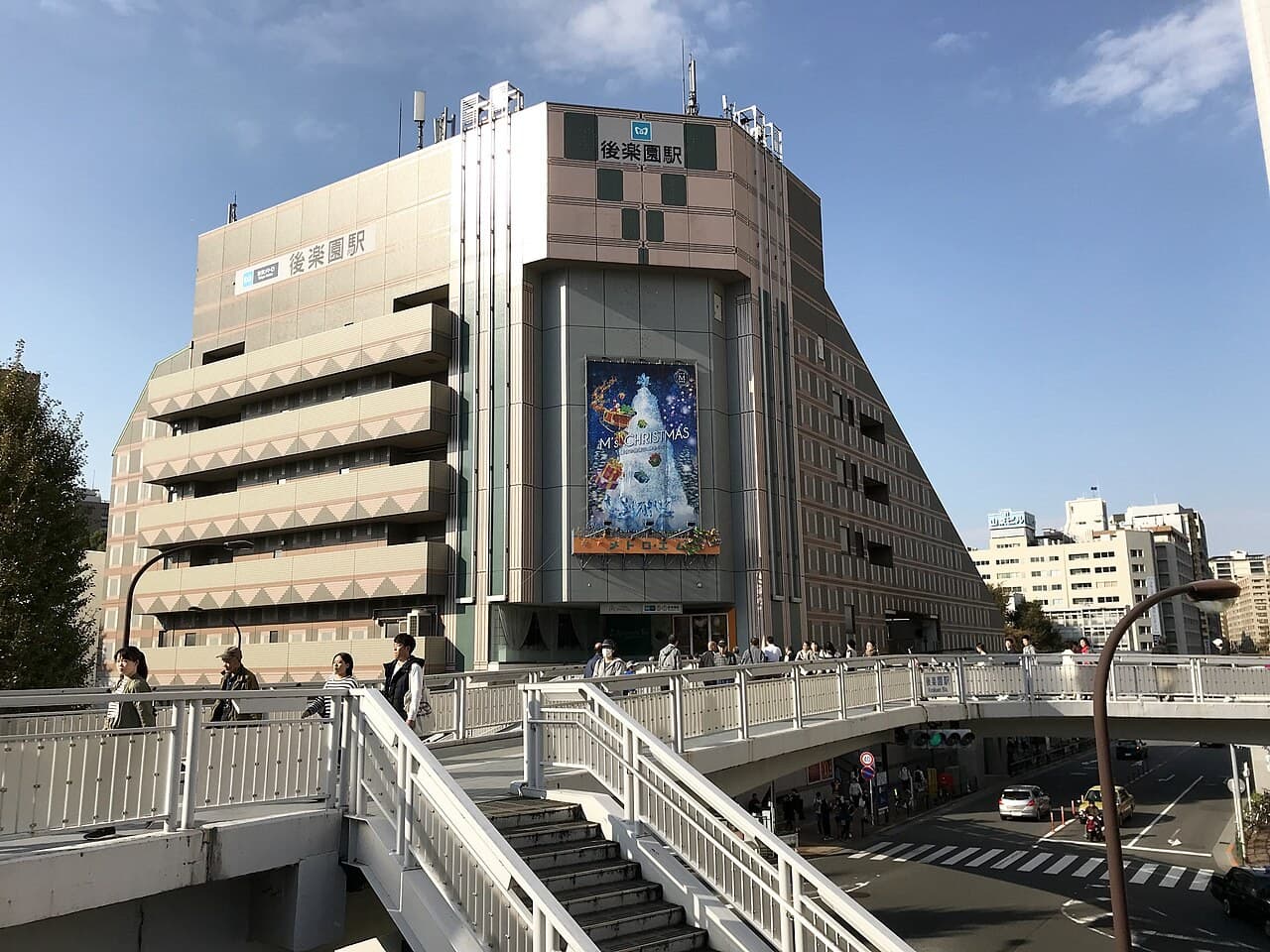
2007: Redevelopment of Urawa Station’s east exit was completed. The seven-story-above/one-story-below landmark retail complex Urawa PARCO (浦和PARCO) opened.
2013: Urawa Station’s elevation and improvements were completed, optimizing in-station circulation and the area’s overall layout.
2018: The JR Urawa Station West Exit Building (JR浦和駅西口ビル) opened, integrating retail, offices, and fitness to shape today’s station-front skyline.
Today, both the Saitama Prefectural Government and Saitama City Hall are located in the Urawa area, which remains Saitama’s most important administrative and cultural hub.
Recent development: Systemic upgrades in transport, retail, and education have sharply improved quality of life
Urawa’s surge is no accident; over the past decade-plus it has pursued systematic urban renewal and functional upgrades.
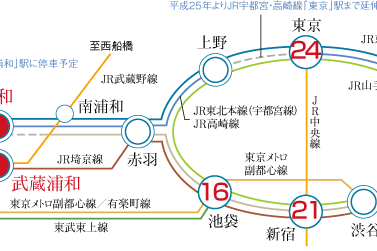
First, the ongoing optimization of transportation. As a southern Saitama hub, Urawa Station is served by the Keihin-Tohoku Line, the Tokaido Main Line (through services via the Shonan–Shinjuku Line and Ueno–Tokyo Line), the Takasaki Line, and the Tohoku Main Line. It’s about 16 minutes to Ikebukuro, 21 minutes to Shinjuku, and 24 minutes to Tokyo—delivering inner-city-level commuting efficiency. This convenience has elevated Urawa to an ideal residential address for highly educated, high-income households.
Ongoing upgrades in retail
Retail has advanced markedly as well. In 1981, Isetan and Urawa CORSO (浦和CORSO) opened at the west exit, setting the tone for premium consumption. In 2007, the landmark mixed-use complex Urawa PARCO (浦和PARCO) opened at the east exit. Integrating retail, cinema, dining, a supermarket, and public functions such as the city library, it forged Urawa’s distinctive 'life-as-center' urban living model. Since 2021, sales have continued to hit record highs, with more than ¥30 billion projected for FY2025—evidence of robust footfall and purchasing power.
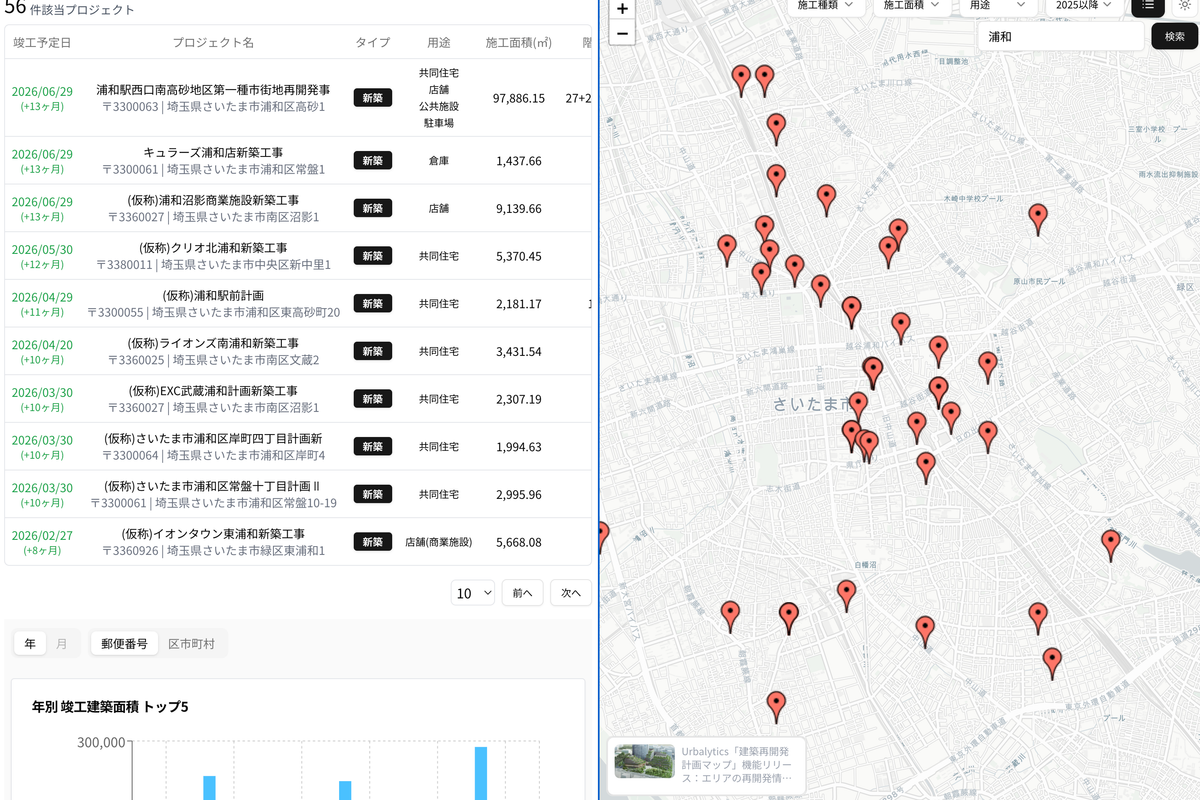
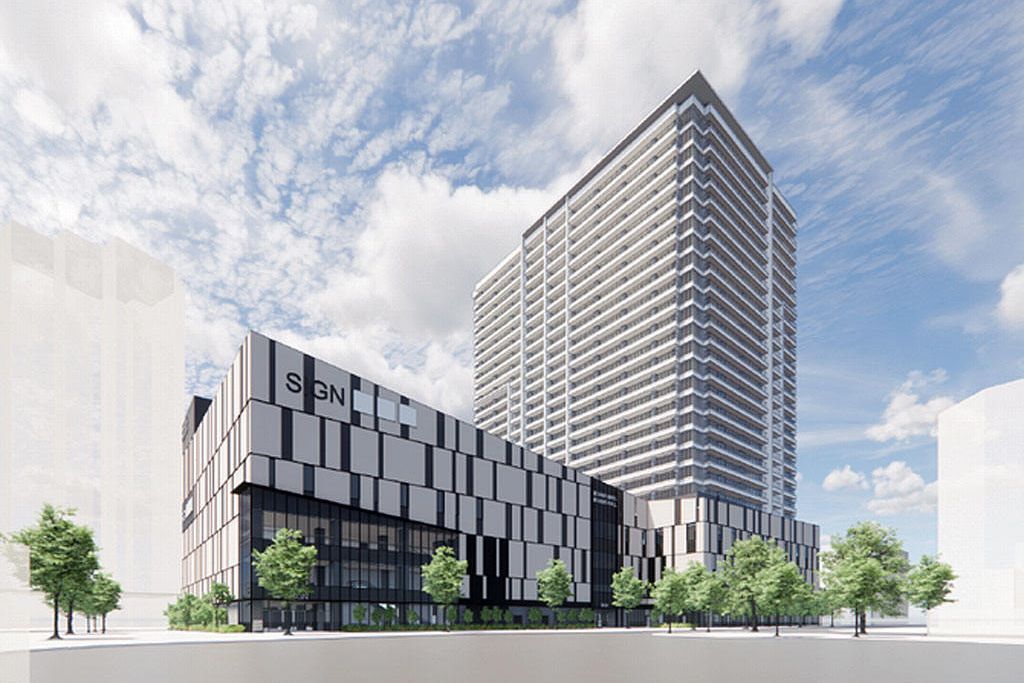
According to Urbalytics, over 50 development schemes are underway around Urawa Station, notably large-scale projects such as the Urawa Station West Exit Minami-Takasago District Type-1 Urban Redevelopment (浦和駅西口南高砂地区第一種市街地再開発) with a total floor area of about 100,000 m².
Flagship West Exit megaredevelopment
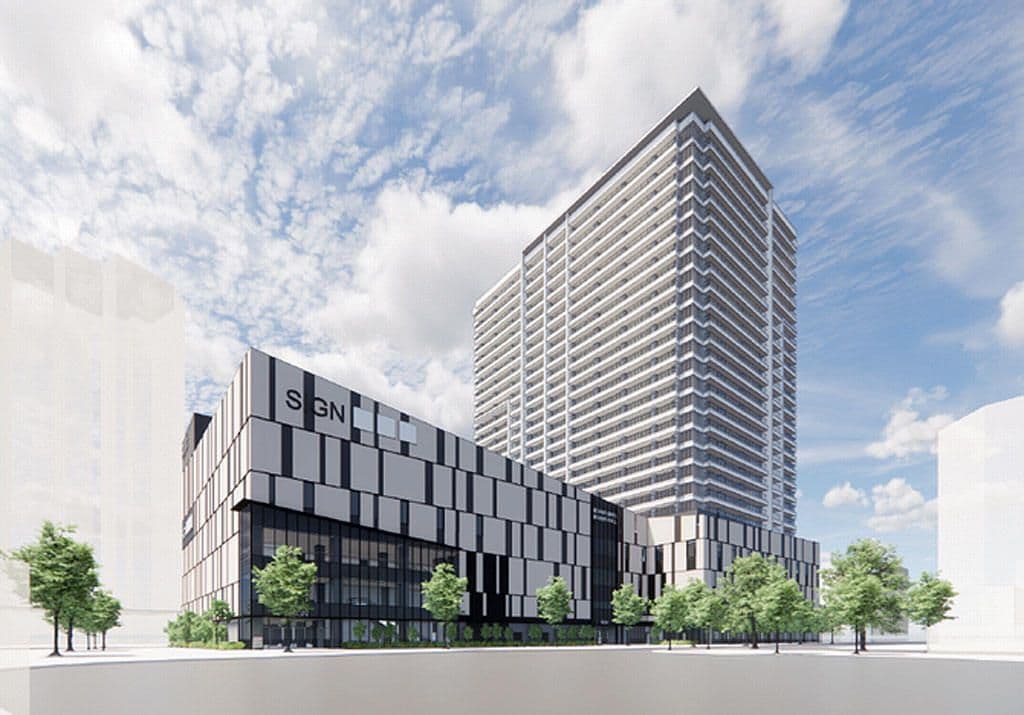
At Urawa Station’s west exit, the largest integrated redevelopment, the Urawa Station West Exit Minami-Takasago District Type-1 Urban Redevelopment (浦和駅西口南高砂地区第一種市街地再開発事業), is underway. Spanning about 1.8 hectares, it addresses aging dense neighborhoods, narrow roads, and a shortage of public facilities by delivering a 27-story mixed-use tower about 99.4 m tall. The project will integrate housing, retail, offices, a civic hall, childcare support facilities, greenery, and plazas into a multifunctional environment.
The residential portion, branded as URAWA THE TOWER, will supply 525 units, mainly 1–4BR with an average private area of about 70 m². Mid-story seismic isolation from the 6th floor upward enhances earthquake resilience, and the scheme meets environmental and low-carbon standards.
The project also includes district branding as 'Urawa Kalue (浦和カルエ, Kalue),' combining 'Culture' and 'Education' to create a new cultural hub where tradition and innovation coexist. The civic hall is named 'Urawa U Hall' and is expected to become a primary stage for local cultural activities.
In terms of advanced urban functionality, beyond qualitative improvements in public spaces, the redevelopment is expected to encourage population return and further raise the district’s appeal. The area around Urawa Station already concentrates everyday amenities, enjoys a favorable environment, and has low flood risk. Combined with a 20–25 minute reach to Tokyo and Shinjuku, it is competitive for both residence and investment. Even amid Japan’s nationwide population decline, Urawa Ward has recorded a net increase of over 16,000 residents in the past 10 years. Completion should accelerate renewal and catalyze inflows of population and capital.
'Saitama’s Little Bunkyo'
Notably, Urawa has long been Saitama’s educational stronghold. With a tradition since the Meiji era as the center of administration and education, it hosts top schools such as Urawa First Girls’ High School (浦和第一女子高校) and Urawa High School (浦和高校). Nearby Minami-Urawa (南浦和) features a concentration of cram schools known as 'Juku Ginza' (塾銀座). This high-quality educational environment is highly valued by education-focused families, especially affluent Chinese households, hence the moniker 'Saitama’s Little Bunkyo'.
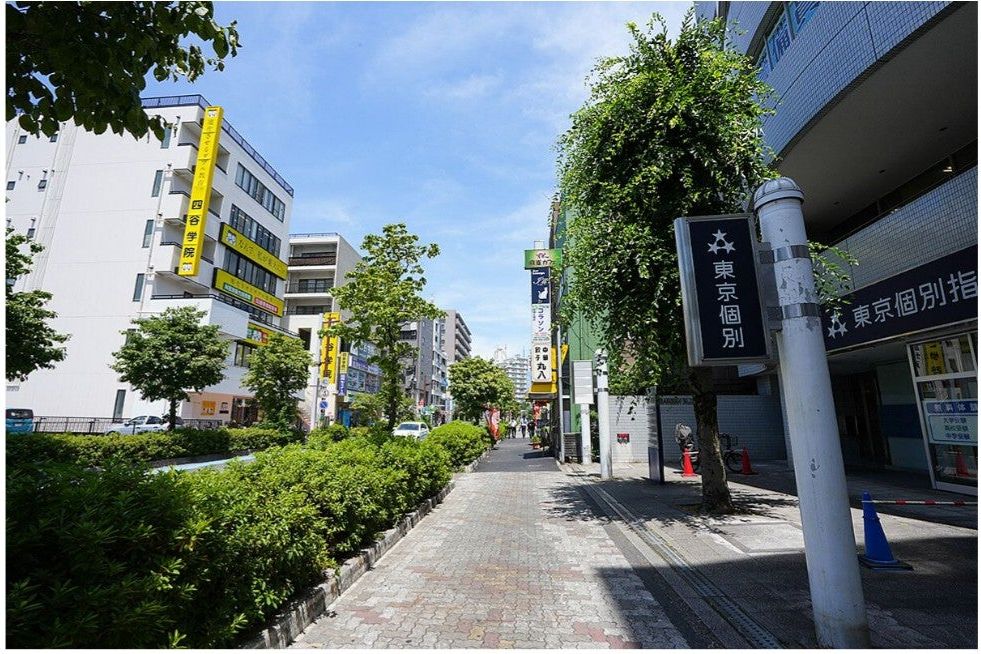
Urawa is rich in educational resources, with multiple well-known elementary and junior high schools as well as higher-education institutions such as Saitama University. Household incomes and the share of highly educated residents rank among the highest in the prefecture, reflecting a strong educational orientation. These educational amenities stimulate end-user demand and underpin market resilience. In recent years, redevelopment around Urawa Station has advanced, further enhancing the residential environment and everyday convenience—strengthening its pull as an educational hub.
For investors, the combination of stable population growth, high-quality educational resources, and ongoing urban development makes Urawa attractive. As central Tokyo prices continue to surge, Urawa offers strong cost-performance as a high-quality residential location near Tokyo. We expect an active market to persist as settle-in preferences rise.
Investment analysis: Value pockets emerging from city-center spillover
From an investment lens, Urawa’s strength goes beyond being 'Saitama’s center'—it is becoming the intersection of high-quality end-user demand and value-preservation investment. Historically, education-centric, high-end wards such as Bunkyo and Meguro were first choices for affluent buyers in Tokyo, but with land prices surging, ¥100 million no longer secures quality housing in the 23 wards. As buyers broaden their search to nearby areas, Urawa has become a major beneficiary of this spillover effect.
'Okushon': URAWA THE TOWER
The new landmark condominium 'URAWA THE TOWER' at Urawa Station is already in the 'okushon' (¥100 million-plus) bracket. Typical 3BR units generally exceed ¥100 million, with some upper-floor units surpassing ¥200 million. Pricing once seen only in core 23-ward locations or primary station-fronts is now a reality at Urawa Station, underscoring market heat.
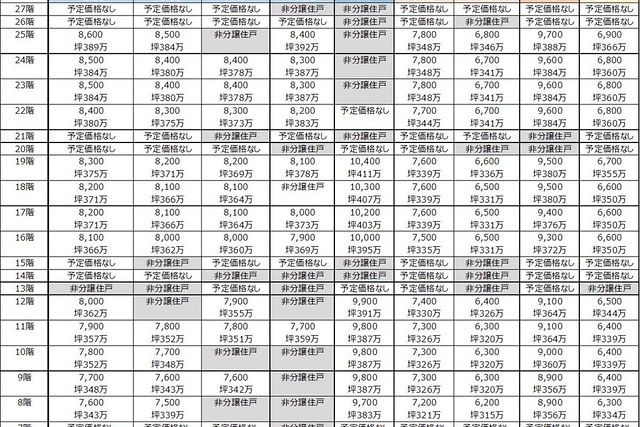
New-build and resale prices lead Saitama Prefecture
Urawa’s station-front urbanization was early, leaving limited room for new development—especially for tower-format supply. This constraint, combined with direct commuting access to central Tokyo and superior educational offerings, provides strong price support and resilience. As a guide, small-scale new-build condos near the station are generally above ¥90 million, while low-rise residences slightly farther out typically range from ¥50–70 million, already well above the prefectural average.
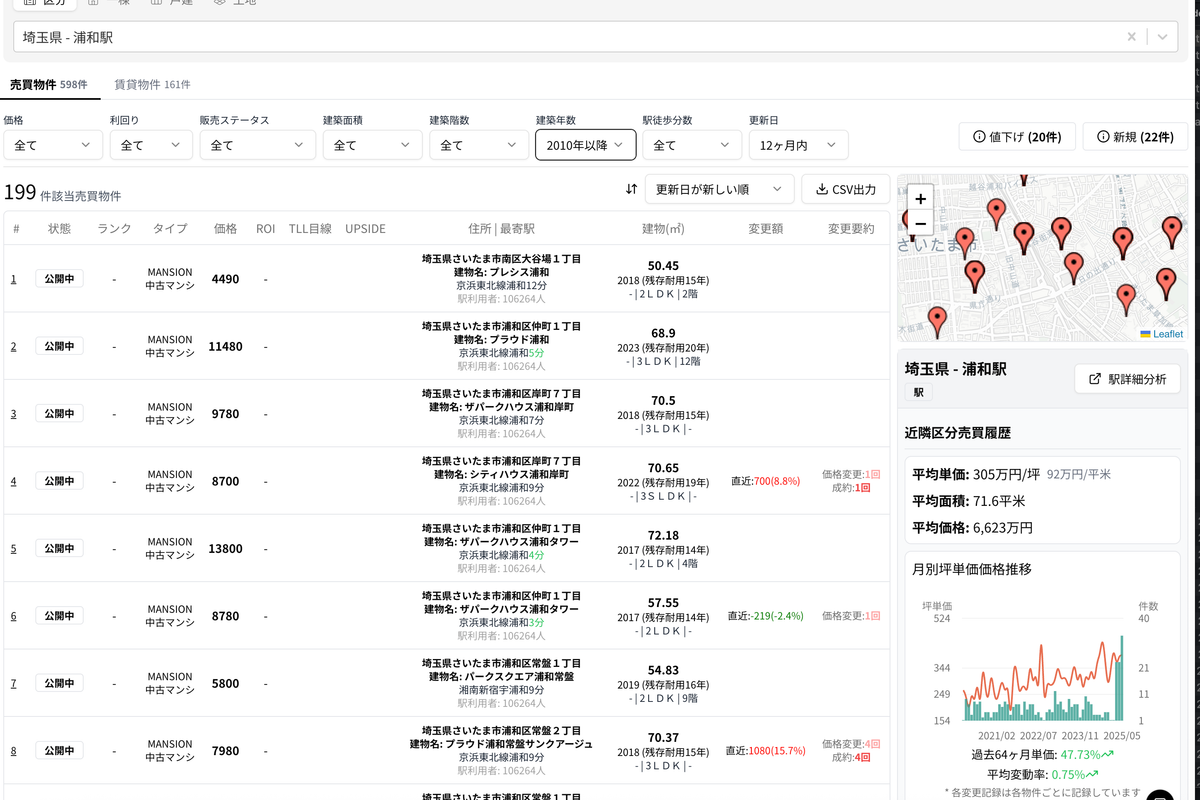
Urbalytics’ search function shows that within 15 years of age, 3BR units predominate. Around 70 m² units are mainly priced from ¥66 million and up—far above Homes’ surveyed Saitama Prefecture 70 m² condominium average of about ¥46 million.
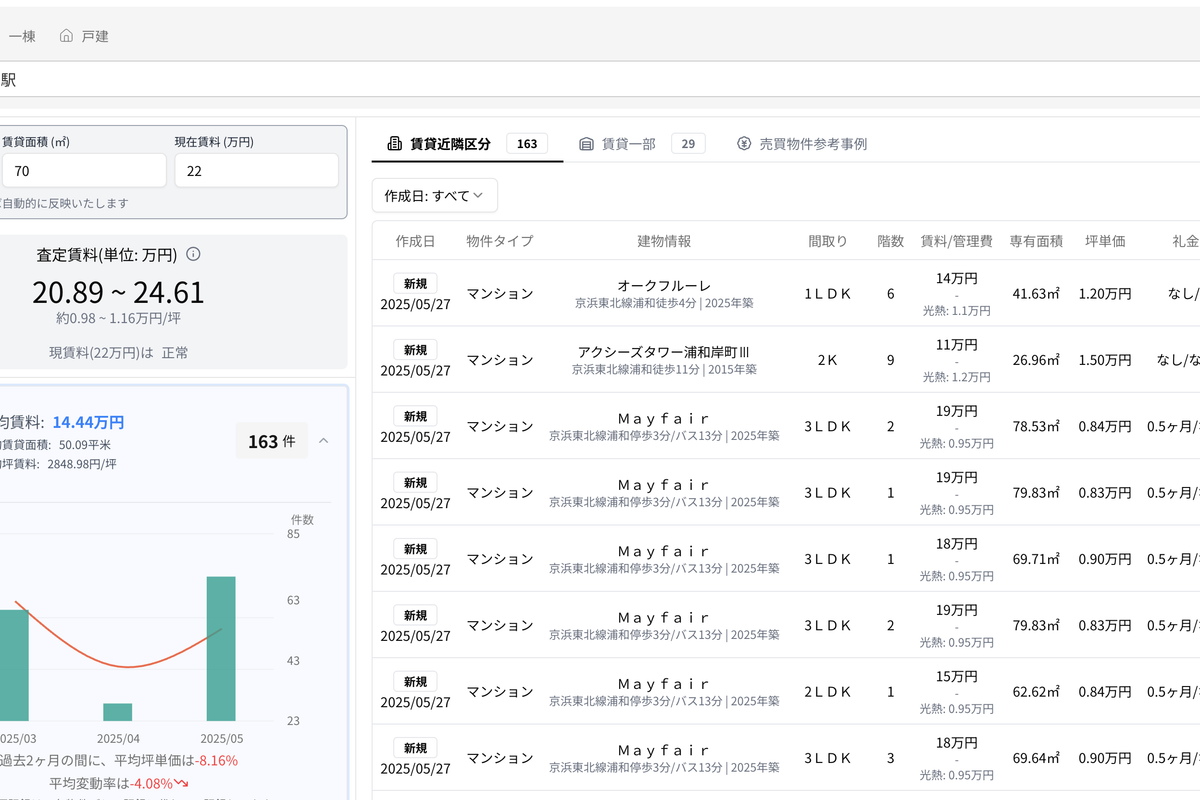
Urbalytics’ new rent valuation feature indicates monthly rents of about ¥140,000–160,000 for 50 m² units and ¥210,000–240,000 for 70 m². Assuming an acquisition price of roughly ¥65 million for a 70 m² unit, the gross yield is approximately 3.8–4.0%. This is comparable to core areas in the 23 wards.
Conclusion: Why is Urawa a 'winner area'?
Overall, Urawa is no longer synonymous with 'low price and practicality' but has evolved into an emerging core area that combines a highly educated demographic, high quality, and high pricing. Rather than relying on one-off development windfalls, it is a slow-riser area with deep accumulations and a robust structure. With strong fundamentals across transportation, education, government, and commerce, it offers the upper-middle segment a balanced alternative for cost and quality of life amid surging inner-Tokyo prices.
For investors, stable population growth, high-quality educational resources, and continued urban progress are compelling. As the West Exit megaredevelopment reaches its final stages and settle-in preferences strengthen, market activity should remain brisk and investment appeal continue to rise.
References
https://www.homes.co.jp/cont/buy_mansion/buy_mansion_00849/ How much does a 70 m² pre-owned condominium cost? Features by size and layout, plus key points to note
https://www.homes.co.jp/cont/press/buy/buy_01778/ What are the details of the Urawa Station West Exit urban redevelopment? When will it be completed, and how will the area change?
Copyright: This article is original content by the author. Please do not reproduce, copy, or quote without permission. For usage requests, please contact the author or this site.